

A Different Approach to ABA Therapy
Parents often tell us they’re looking for more than therapy. They’re looking for a place where their child is genuinely understood.
At New View Autism, we believe children learn best when they feel safe, connected, and engaged. That’s why our approach is built around relationships first. We use evidence-based ABA strategies within play, everyday routines, and meaningful interactions to help children build communication, independence, social skills, and confidence.
Every child deserves to feel respected. Every family deserves to feel like part of the team.
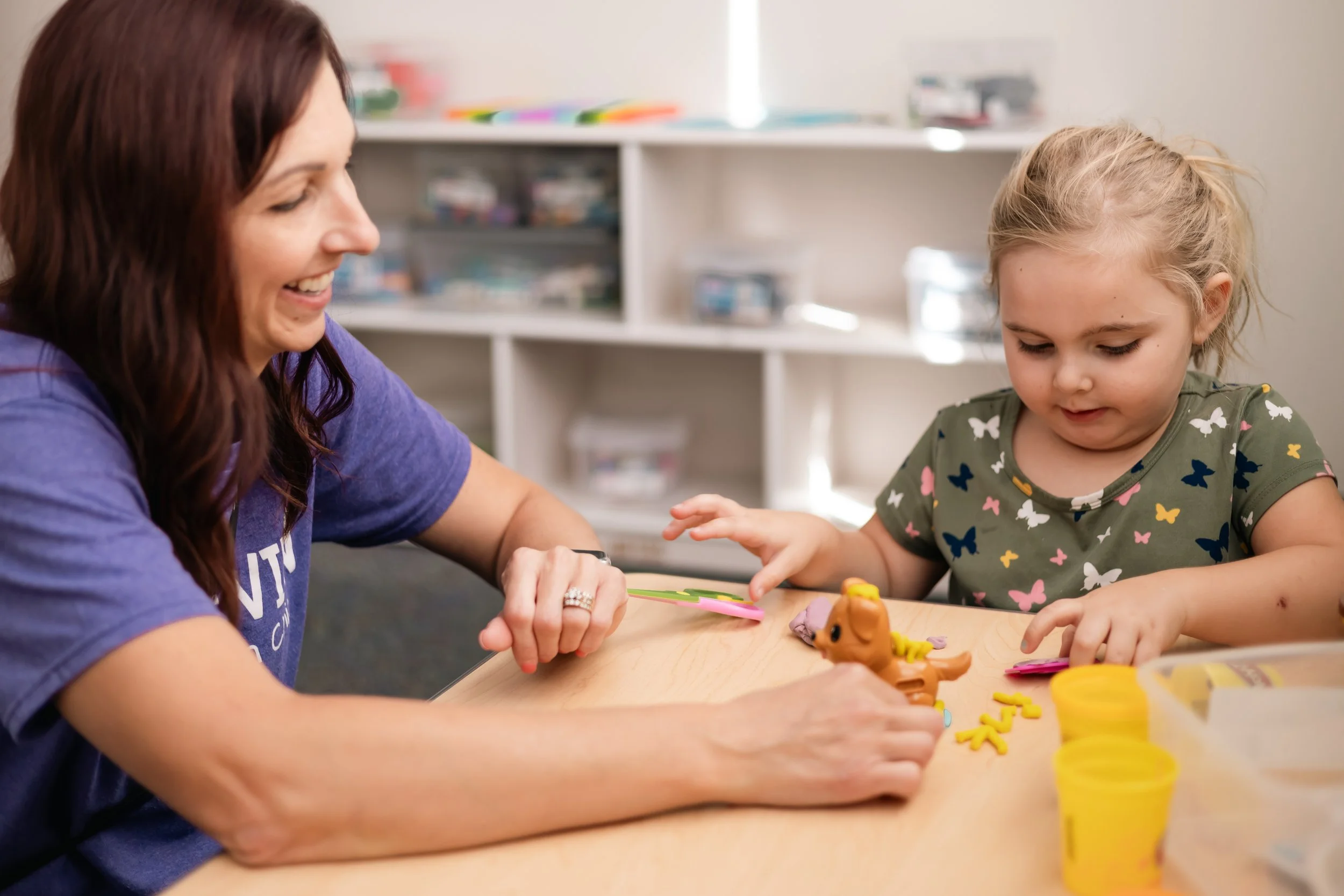
Connection Over Compliance
At New View, Connection Over Compliance is more than a philosophy—it’s the foundation of how we support children and families. We believe children learn best when they feel safe, respected, and genuinely connected to the people around them.
Rather than focusing on compliance for its own sake, we seek to understand each child’s communication, strengths, and individual needs. Our goal isn’t to change who a child is, but to help them build meaningful skills that foster confidence, independence, and participation in everyday life.
How We Support Learning
Child-Led Learning
Children are naturally curious, and some of the best learning happens when they’re engaged in activities they enjoy.
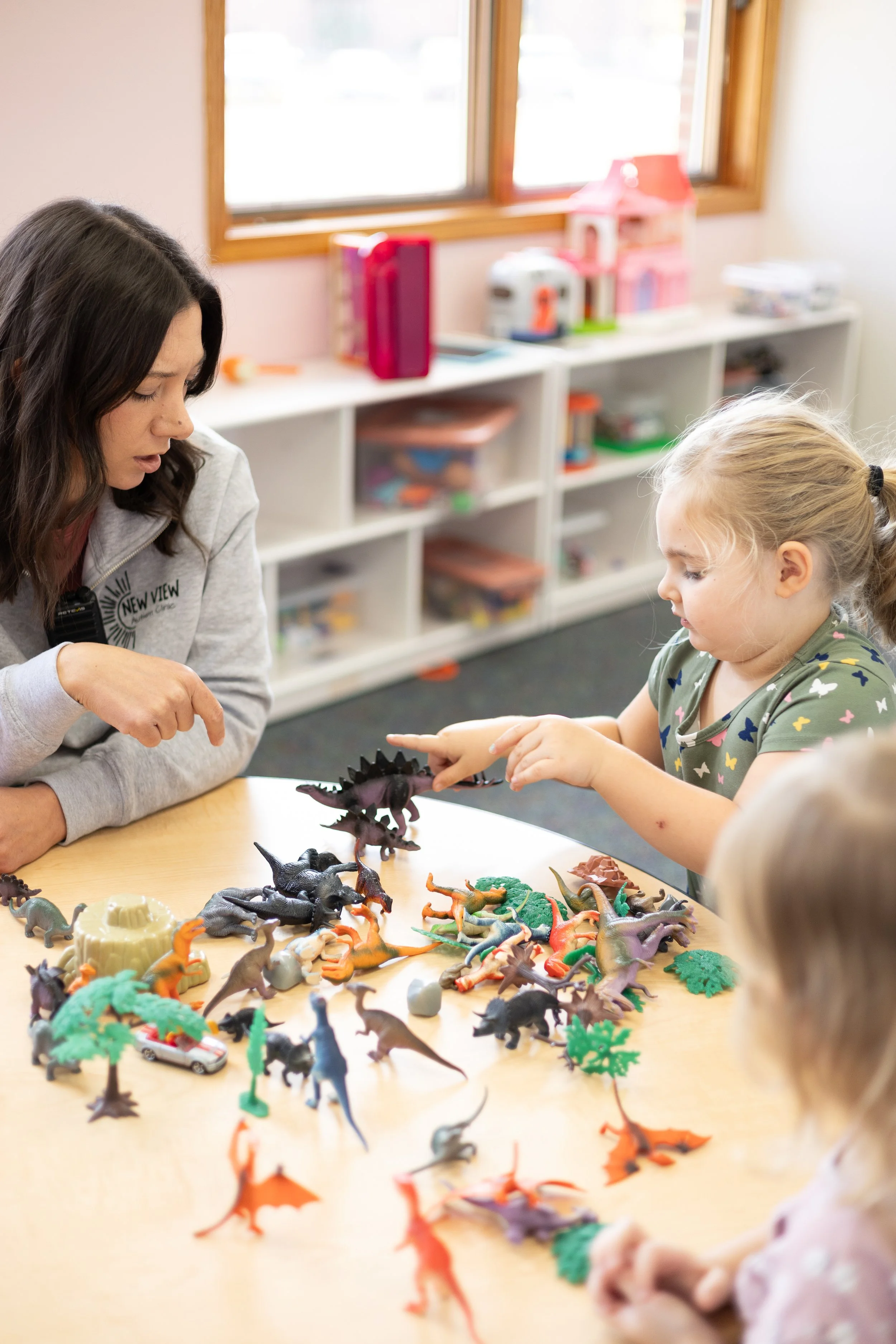
We incorporate each child’s interests into therapy whenever possible, using play, routines, and everyday experiences as opportunities to build communication, social interaction, independence, and problem-solving skills. By following the child’s lead, we create learning experiences that are motivating, meaningful, and enjoyable.
Developmentally Appropriate Support
Children develop at different rates, and therapy should reflect that.
Our goals and teaching strategies are individualized based on each child’s developmental level, communication style, strengths, and support needs. Rather than comparing children to one another, we focus on helping each child make meaningful progress that supports their daily life and long-term success.
Communication Comes First
Communication is at the heart of everything we do.
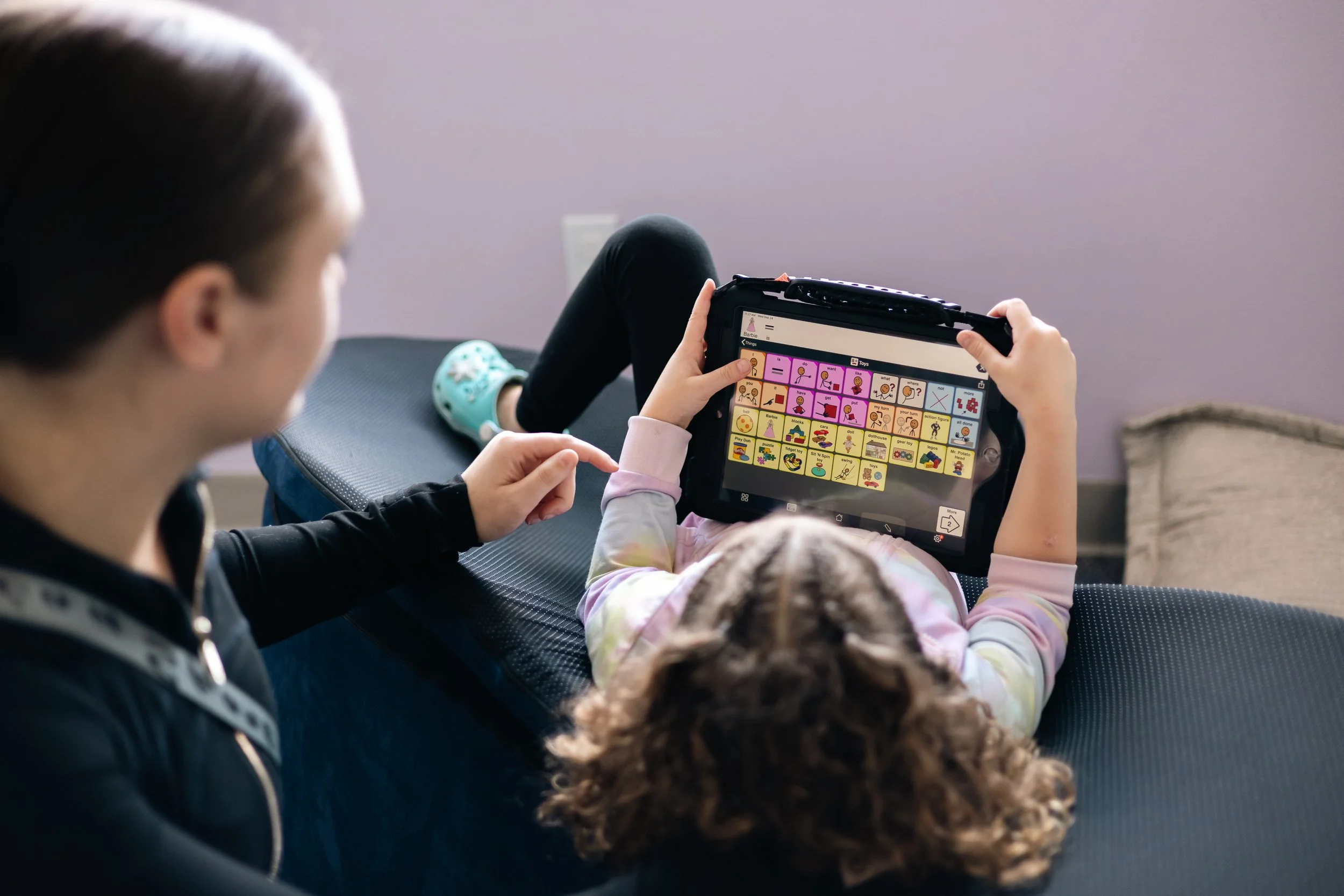
Whether a child communicates through spoken words, gestures, sign language, pictures, an AAC device, facial expressions, or behavior, every form of communication deserves to be acknowledged and respected.
Our role is to help children develop effective ways to express themselves while ensuring they feel heard, understood, and supported.
Family Partnership
Parents and caregivers know their child better than anyone else.
We view families as essential members of the therapy team and believe meaningful progress happens through collaboration. By working together, sharing ideas, celebrating successes, and navigating challenges as partners, we can create consistent support that extends beyond the clinic and into everyday life.
What Does Therapy Look like?
Parents often ask, “What will my child actually be doing during therapy?”
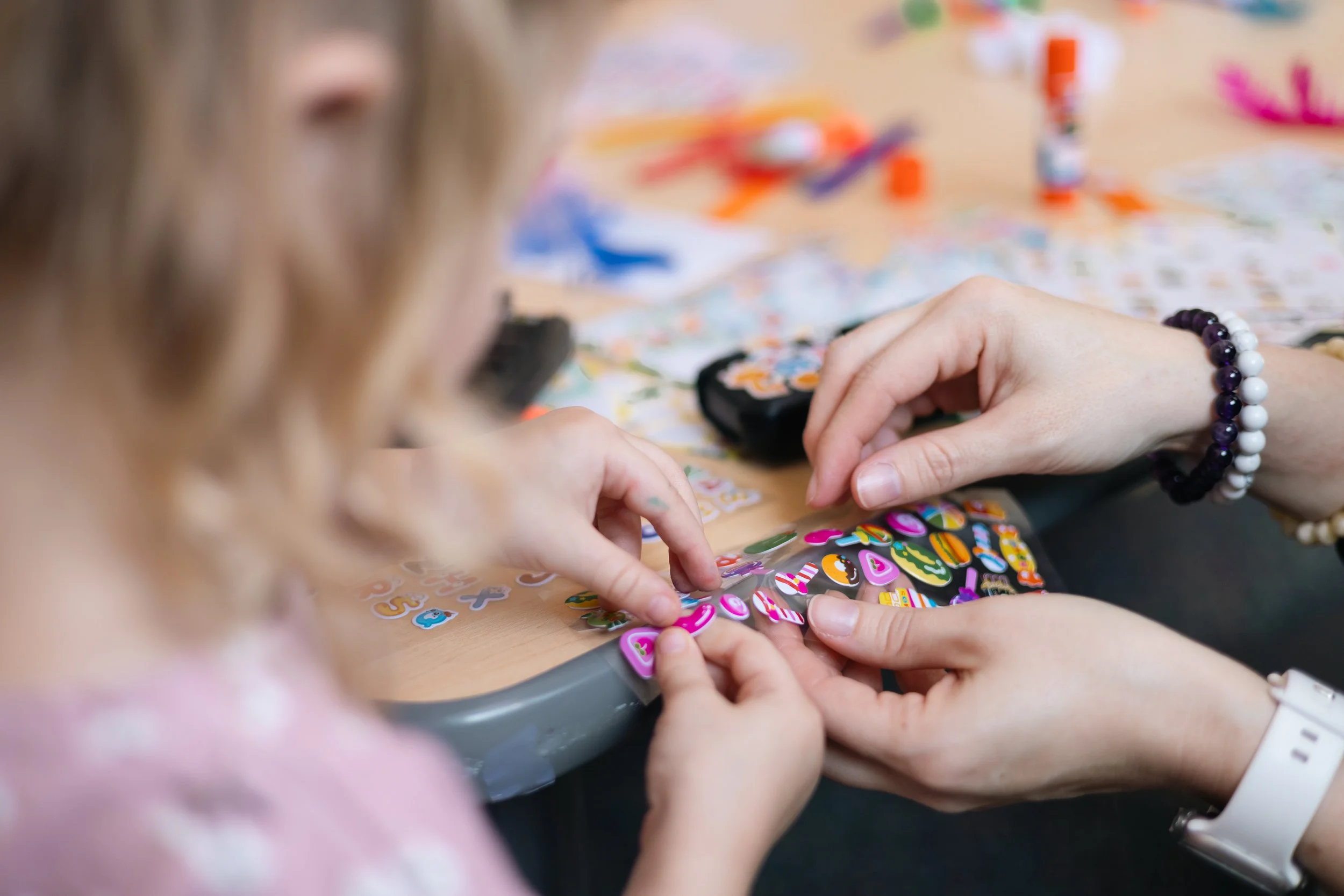
While every child’s program is personalized, you’ll often find our team learning through play, building communication during everyday activities, supporting social interactions, encouraging independence, and celebrating each child’s successes along the way.
Curious whether we’re the right fit?
Reach out and we’ll talk through your child’s needs and how our approach could support your family.